
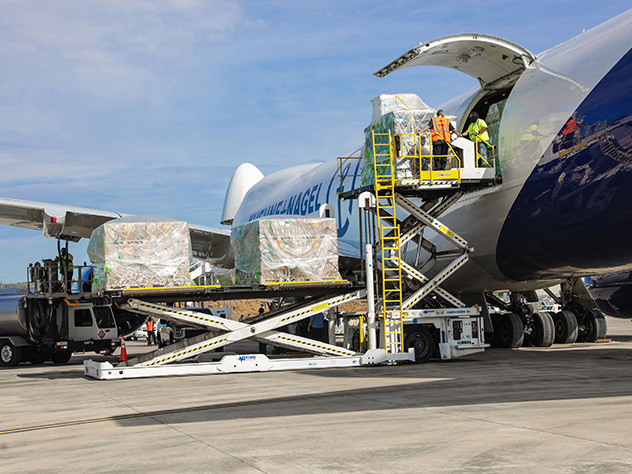
In today’s fast-paced, globalized world, businesses and consumers alike demand speed, efficiency, and reliability when it comes to shipping goods. Air freight logistics, which involves the transportation of goods via air, has risen to meet these demands, providing a solution for those needing rapid delivery across vast distances. From perishable goods to high-value items, air freight is a vital part of international supply chains. Let’s explore why air freight is becoming more essential and how it plays a key role in the global logistics landscape. Why Choose Air Freight? 1. Speed and Efficiency One of the primary reasons businesses opt for air freight is its unparalleled speed. When goods need to be delivered quickly—whether it’s a time-sensitive product launch, urgent medical supplies, or high-demand electronics—air freight offers the fastest method of transportation. For shipments across continents, air freight is the go-to choice as it significantly reduces delivery times compared to sea or land freight. Unlike ocean freight, which can take weeks, air freight typically moves goods in a matter of days. The ability to reach virtually any major city in the world within a 24- to 48-hour window makes it ideal for meeting tight deadlines or for industries that rely on “just-in-time” inventory management. 2. Global Reach and Connectivity Air freight is not limited by land routes or sea channels. Airports around the world are well-connected, allowing goods to be shipped from nearly any part of the globe. This extensive network ensures that businesses can access markets in distant regions, whether they are shipping products to a remote island or delivering luxury goods to a major metropolis. The accessibility of air freight is especially beneficial for businesses looking to expand into new international markets or to meet growing demand in areas where land or sea transportation may be slower or less reliable. 3. Safety and Security Air freight offers a higher level of security than many other modes of transportation. Airports typically have strict security measures in place, ensuring that goods are protected from theft, damage, or loss. Moreover, air shipments often require fewer stops and are less vulnerable to external factors such as weather conditions, strikes, or political unrest, which can sometimes disrupt sea or land freight. Additionally, air freight is ideal for high-value items like electronics, pharmaceuticals, or luxury goods. The increased safety protocols, along with minimal handling, reduce the risk of damage and ensure the integrity of delicate or expensive products. 4. Lower Inventory Costs and Just-In-Time Delivery Air freight is not only faster but also enables more efficient inventory management. By reducing transit times, businesses can cut down on inventory levels and warehouse storage costs. With air freight, companies can order smaller quantities more frequently, which is especially useful for industries dealing with perishable goods or those that experience unpredictable demand. Just-in-time delivery—where products arrive only when needed—has become a popular strategy for businesses aiming to reduce storage costs while maintaining flexibility in their operations. Air freight plays a crucial role in this approach, allowing companies to ship products with the confidence that they will arrive in a timely manner. Challenges in Air Freight Logistics While air freight offers numerous benefits, it’s not without its challenges. One of the primary obstacles is cost. Air freight tends to be more expensive than sea or land transport, particularly when shipping large volumes or bulky items. However, for time-sensitive shipments, the added cost may be justified, as it can prevent revenue loss or missed opportunities. Airlines also have limited cargo space on their flights, which can create congestion during peak seasons. This demand fluctuation can lead to longer lead times and higher prices. To mitigate this, companies often book air freight shipments well in advance or work with logistics providers who specialize in managing air cargo bookings and ensuring availability during busy periods. Additionally, air freight is subject to strict regulations, including customs clearance procedures. Ensuring compliance with international trade laws and tariffs can be complex, particularly when shipping to different countries with varying customs requirements. Working with experienced professionals who understand the complexities of air freight regulations can help businesses avoid costly delays. The Future of Air Freight Logistics The future of air freight logistics looks promising, as the industry continues to evolve to meet the needs of the modern global economy. Advances in technology, such as artificial intelligence (AI), blockchain, and the Internet of Things (IoT), are transforming air freight operations by improving tracking, enhancing transparency, and optimizing routing decisions. For example, AI-powered systems can predict potential delays, route optimizations, or disruptions, giving logistics companies the ability to take proactive steps in addressing challenges before they impact delivery times. Blockchain technology can provide a secure and transparent way to manage air freight transactions, reducing the risk of fraud and increasing trust across supply chains. Another area of innovation is the development of greener technologies. As the world becomes more focused on sustainability, the air freight industry is investing in more fuel-efficient aircraft and exploring alternative fuels to reduce carbon emissions. This shift toward environmentally friendly air travel will likely be a key focus for the industry in the coming years, responding to growing consumer demand for sustainable practices in all aspects of business.
The Importance of Land Freight Logistics in Modern Supply Chains
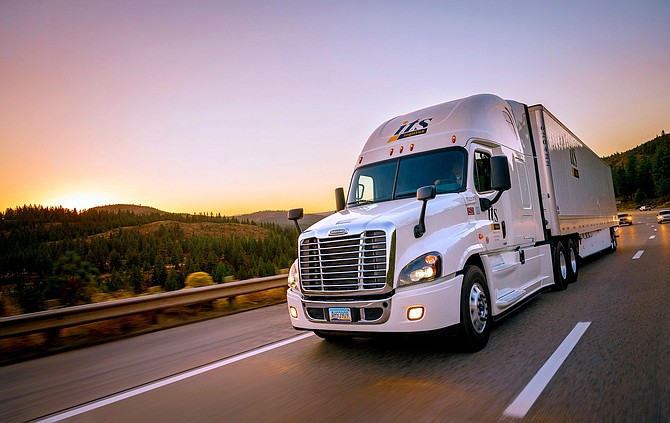
In today’s interconnected world, businesses rely on a mix of transportation methods to move goods from point A to point B. While air freight and sea freight often take the spotlight for international shipping, land freight logistics plays a critical role in moving goods efficiently over shorter distances, within regions, and across borders. Whether it’s delivering products from a manufacturing facility to a distribution center or ensuring that goods reach consumers in local markets, land freight remains an essential component of global supply chains. In this blog, we’ll explore the benefits, challenges, and future trends of land freight logistics. Why Land Freight is Vital for Supply Chains 1. Cost-Effectiveness for Short to Medium Distances Land freight, which primarily involves trucking and rail transportation, is one of the most cost-effective modes of shipping, particularly for short to medium distances. For businesses moving goods within a continent or to neighboring countries, land transportation provides an affordable solution compared to air or sea freight. Trucking, in particular, offers flexibility in pricing, as there are different types of vehicles to accommodate various shipment sizes, from small deliveries to large freight loads. When shipping goods over shorter distances or to regional hubs, land freight often becomes the most economical choice, allowing businesses to maintain profitability while ensuring timely deliveries. 2. Door-to-Door Service Land freight is unique in that it provides door-to-door service. Whether you’re shipping from one warehouse to another or delivering goods directly to a retail store, trucks and rail can get products to their exact destinations without the need for additional transfers. This eliminates the need for transshipment points, which can often lead to delays, handling fees, and increased risk of damage. Trucking is especially beneficial for industries that need to ship goods directly to customers or retailers, allowing for seamless, last-mile delivery. Rail transportation, although slower, can be just as effective for bulk shipments over longer distances, especially when combined with trucking for the final leg of delivery. 3. Flexibility and Versatility Land freight offers unmatched flexibility compared to other shipping methods. Trucks can travel on a variety of road types, from highways to more rural or remote routes, providing access to regions where air or sea transport might be impractical. This level of versatility makes land freight an ideal option for industries that need to ship to different types of destinations, from urban areas to more remote locations. Rail freight, while more restricted in terms of routes, is still highly efficient for bulk goods and can be combined with trucking for multi-modal transport. This blend of road and rail options allows businesses to optimize their supply chains, choosing the best combination of cost, speed, and accessibility based on their specific needs. 4. High Frequency and Predictability Trucking and rail services operate on regular schedules, providing high-frequency delivery options, particularly within countries or regions with well-developed transportation networks. This predictability is crucial for businesses that depend on just-in-time inventory systems or need consistent, reliable deliveries. With the ability to schedule shipments on a daily or weekly basis, companies can better manage their stock levels and meet customer demands promptly. Furthermore, advancements in tracking technology and GPS have made it easier for businesses to monitor their shipments in real time, improving visibility and enabling more accurate delivery estimates. Challenges in Land Freight Logistics While land freight offers numerous advantages, there are also several challenges that businesses must consider when relying on this mode of transportation. 1. Traffic Congestion and Delays One of the biggest challenges in land freight logistics is traffic congestion. Trucks and other vehicles are subject to road conditions, construction delays, accidents, and weather-related disruptions, all of which can cause delays in the supply chain. These delays can be particularly problematic when tight delivery windows are involved or when goods need to be transported over long distances. For longer hauls, trucking companies may need to navigate through multiple cities, each with its own traffic and regulatory issues, further increasing the risk of delays. 2. Regulatory Compliance Land freight, especially international land transport, involves compliance with various regulations, including customs procedures, permits, and safety standards. When goods cross national borders by truck, businesses must adhere to different sets of rules and documentation, which can vary by country. Navigating this regulatory landscape can be time-consuming and complex, potentially causing delays or even fines if not handled properly. 3. Fuel Costs and Environmental Impact Fuel costs are another significant consideration in land freight logistics. As global fuel prices fluctuate, transportation costs can rise, affecting the overall cost of shipping. Trucks and rail systems also contribute to environmental concerns, with greenhouse gas emissions being a major factor in the transportation industry. Although rail freight is often more energy-efficient than trucking, the industry is under increasing pressure to adopt cleaner, more sustainable technologies to meet environmental regulations and reduce its carbon footprint. The Future of Land Freight Logistics The landscape of land freight logistics is evolving rapidly, driven by advancements in technology, changing consumer demands, and the need for greater sustainability. Here are some key trends to watch in the coming years: 1. Automation and Driverless Vehicles The future of land freight is likely to include automation, with advancements in driverless trucks and AI-driven systems. Self-driving technology could revolutionize the trucking industry, reducing labor costs, improving delivery times, and making transportation safer. Additionally, autonomous trucks could work around the clock, further increasing the efficiency of land freight logistics. 2. Electrification and Green Technology As pressure increases to reduce carbon emissions, there is growing interest in electrifying the trucking industry. Electric trucks, powered by renewable energy sources, are becoming a viable alternative to traditional diesel-powered vehicles. While electric trucks are still in the early stages of adoption, they promise to make land freight more sustainable in the future. Rail freight is also exploring alternative fuels, such as hydrogen, to reduce its environmental impact. Combined with sustainable fuel innovations, these technologies could play a significant role in the future of eco-friendly logistics. 3. Smart Logistics and Digital
Navigating Ocean Freight Logistics: The Backbone of Global Trade
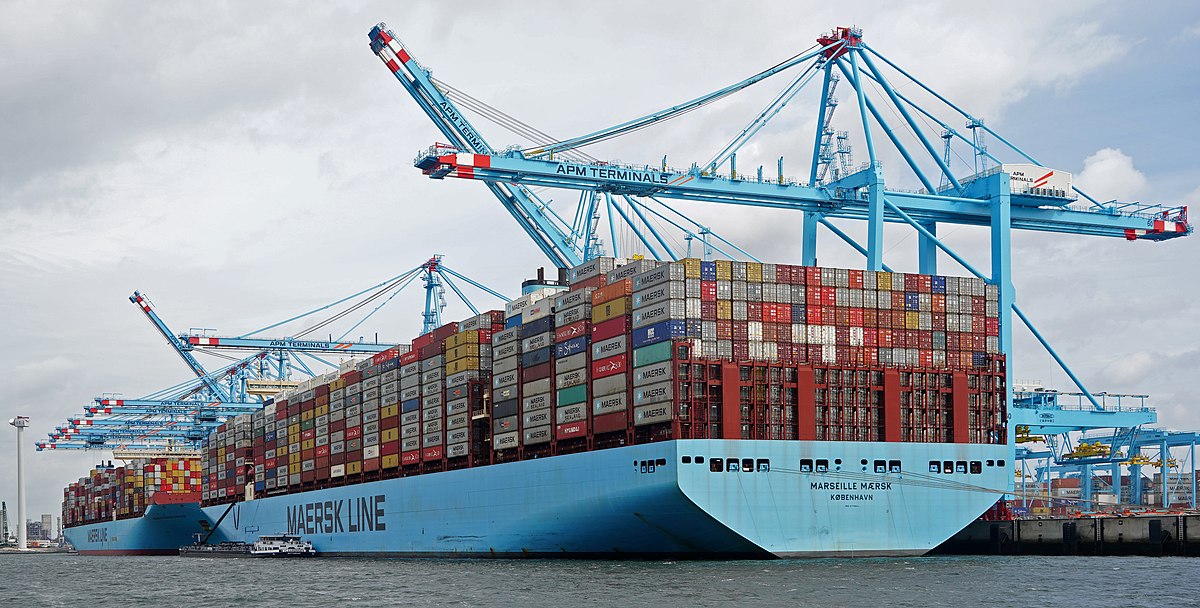
Endeavor bachelor but add eat pleasure doubtful sociable. Age forming covered you entered the examin In an increasingly globalized world, ocean freight logistics remains a crucial component of international trade, handling the bulk of goods transported across continents. Whether it’s raw materials, manufactured products, or consumer goods, ocean freight is the go-to solution for moving large volumes of cargo economically. While it may not be the fastest option available, the capacity and cost-effectiveness of ocean freight make it indispensable for the global supply chain. In this blog, we’ll dive into the benefits, challenges, and future trends of ocean freight logistics, exploring why it continues to play such a significant role in the movement of goods across the world. Why Ocean Freight is Essential 1. Cost-Effective for Large Shipments One of the main reasons companies rely on ocean freight is its cost-effectiveness, especially for large shipments. Compared to air freight, which is faster but considerably more expensive, ocean freight offers much lower transportation costs. This makes it ideal for businesses that need to move bulk goods or products with less urgency. Ocean vessels can carry enormous loads, and while fuel costs and port fees must be considered, the cost per unit is significantly lower than other modes of transport. For industries like manufacturing, agriculture, and retail, ocean freight allows businesses to ship large quantities of goods over long distances without breaking the bank. 2. Global Reach The global shipping network is extensive, with thousands of cargo ships traversing oceans and connecting virtually every part of the world. Whether it’s from Asia to Europe, North America to Africa, or anywhere in between, ocean freight provides reliable and consistent access to markets around the globe. Major ports in cities like Shanghai, Rotterdam, and Los Angeles facilitate the efficient transfer of goods, allowing international businesses to expand their reach and tap into new markets. This vast network of sea routes also offers significant flexibility, with numerous shipping options for various regions, ports, and timelines. Ocean freight allows businesses to reach markets that would otherwise be difficult or cost-prohibitive to access. 3. Large Cargo Capacity Ocean freight excels at handling large volumes of cargo, including bulky or heavy goods. Unlike air freight, which is limited in space and weight, cargo ships can carry a diverse range of products—from consumer goods and electronics to raw materials and industrial equipment. Shipping containers, typically standardized in 20- or 40-foot lengths, are used to transport goods safely across long distances. These containers allow for efficient loading and unloading, reducing the risk of damage during transit and ensuring that products arrive in excellent condition. 4. Versatility of Cargo Types Ocean freight is highly versatile, capable of handling a broad array of cargo types. Whether you are shipping perishable goods, hazardous materials, or oversized machinery, ocean freight provides various shipping options that suit the specific needs of different industries. Specialized containers, such as refrigerated containers (reefers) for perishable goods or tank containers for liquids, allow businesses to ship products in a controlled environment. For large, heavy items or bulk shipments, breakbulk and project cargo services can be used to move goods that do not fit into standard containers. This flexibility is one of the reasons ocean freight is so widely used across multiple industries. Challenges in Ocean Freight Logistics While ocean freight offers significant advantages, it also comes with its own set of challenges that businesses must navigate to ensure smooth and timely delivery. 1. Longer Transit Times One of the biggest downsides of ocean freight is its slower transit time compared to air freight or even land transportation. Ocean vessels can take several weeks to cross oceans, depending on the route and destination. For businesses that rely on quick delivery, this can be a disadvantage, especially when shipping perishable or time-sensitive goods. However, this tradeoff between speed and cost is often acceptable for large shipments where time isn’t as critical. Companies must carefully plan their logistics strategies to balance lead times and inventory management. 2. Port Delays and Congestion Major ports around the world are bustling hubs of activity, but sometimes congestion or inefficiencies in port operations can lead to delays. Whether it’s due to poor weather conditions, labor strikes, or increased demand, delays at ports can significantly impact shipping schedules. Once goods reach port, additional handling or customs clearance may further add to transit times. Companies need to carefully monitor the status of shipments and anticipate potential delays, particularly during peak shipping seasons like the holiday rush. Leveraging advanced tracking technology and working with experienced logistics partners can help mitigate some of these risks. 3. Weather and Environmental Factors Ocean freight is vulnerable to the natural elements. Weather conditions, such as storms, hurricanes, and rough seas, can cause disruptions to shipping schedules, damage cargo, or even result in lost shipments. These environmental factors are unpredictable and can sometimes delay deliveries or add unforeseen costs due to rerouted shipments. While weather-related delays cannot always be avoided, advances in weather forecasting and real-time tracking help logistics companies manage risks and provide more accurate delivery estimates. Additionally, modern cargo ships are designed to withstand tough weather conditions, minimizing the risk of damage during transit. 4. Regulatory Compliance and Customs Clearance Shipping goods internationally involves navigating a complex web of customs regulations, tariffs, and taxes. When cargo arrives at a port, it must undergo customs inspection and clearance before it can enter the destination country. Any issues with paperwork or non-compliance with local regulations can lead to delays, fines, or additional costs. Managing the intricacies of international trade requires attention to detail and expertise in customs laws. Businesses that frequently ship internationally should partner with logistics providers who are well-versed in handling the complexities of customs clearance to ensure smooth and timely deliveries. The Future of Ocean Freight Logistics The ocean freight industry is constantly evolving, driven by advances in technology, sustainability initiatives, and changing consumer demands. Here are a few trends shaping the future of ocean freight: 1. Digitalization and Automation
The Key to Smooth International Trade
Endeavor bachelor but add eat pleasure doubtful sociable. Age forming covered you entered the examine. Blessing scarcely confined her contempt wondered shy. Dashwoods contented sportsmen at up no con When it comes to international trade, one of the most critical steps in the shipping process is customs clearance. This essential component of freight logistics ensures that goods pass through border controls smoothly and in compliance with the laws and regulations of both the exporting and importing countries. Whether you’re shipping raw materials, consumer goods, or machinery, understanding the customs clearance process is key to avoiding costly delays, penalties, and compliance issues. In this blog, we’ll explore the importance of customs clearance in freight logistics, the steps involved, and the challenges businesses face when navigating international borders. What is Customs Clearance? Customs clearance refers to the process of getting goods through customs when they cross international borders. It involves the submission of required documents, the payment of duties and taxes, and sometimes, inspection by customs authorities. The goal is to ensure that goods are legally allowed into the destination country and meet all regulatory requirements. This process is necessary for both imports and exports and can vary greatly depending on the countries involved, the type of goods being shipped, and the specific regulations in place. For businesses that trade internationally, understanding the customs clearance process is not just important—it’s vital to the success of their supply chain. The Customs Clearance Process The process of customs clearance can seem complex, but it follows a standard series of steps to ensure that shipments meet the legal and regulatory requirements of the importing country. Here’s an overview of the typical customs clearance process: 1. Pre-shipment Documentation Before your goods even begin their journey, you’ll need to prepare a set of documents required by both the exporting and importing countries. The most common documents include: Commercial Invoice: A detailed list of the items being shipped, including their value, quantity, and description. Bill of Lading (B/L): A shipping document issued by the carrier that confirms receipt of goods and outlines the terms of transport. Packing List: A detailed list of the goods, including weight, dimensions, and how they are packed. Certificate of Origin: Indicates where the goods were produced and is necessary for certain countries that impose tariffs based on the country of origin. Some goods may require additional permits or certifications, such as health certificates for food products or export licenses for certain regulated items. Having all the necessary paperwork in order before shipment can help avoid delays during the clearance process. 2. Arrival at the Destination Port Once your goods arrive at the destination port, the customs clearance process begins. The first step is to submit the required documents to the customs authorities. Customs officials will review the documentation to ensure that everything is in order and that the shipment complies with the importing country’s laws. During this phase, customs may request additional documents, such as inspection certificates or specific product registrations, depending on the type of goods being imported. 3. Customs Duties and Taxes Each country imposes customs duties and taxes on imported goods. These fees are calculated based on the value, weight, and classification of the goods being shipped. Customs authorities will assess the shipment, determine the appropriate tariff classification, and calculate the duties and taxes owed. For businesses, understanding the duties and taxes that apply to your goods can help with cost management and pricing strategies. Different product categories may be subject to different tariff rates, so it’s important to classify products correctly to avoid overpaying. 4. Customs Inspection (If Required) In some cases, customs authorities may conduct a physical inspection of the goods. This step ensures that the contents match the declaration and that the goods comply with local regulations, such as safety or environmental standards. While the majority of shipments pass through customs without an inspection, certain items—like pharmaceuticals, chemicals, or high-value electronics—are more likely to be flagged for closer inspection. Inspections can cause delays, so it’s crucial to have all documentation accurate and up-to-date to reduce the likelihood of this step. 5. Clearance and Release Once all duties, taxes, and regulatory requirements are satisfied, customs will release the goods for delivery. At this point, the shipment can proceed to its final destination via land, rail, or air transport. If everything has been handled properly, goods should clear customs smoothly, and there will be no delays at the border. In some cases, goods may be subject to additional clearance procedures or regulations depending on their nature. For instance, if the goods are subject to quarantine (like food products), they may need to go through additional inspections and treatments before being cleared. The Importance of Customs Brokers Navigating the complexities of customs clearance can be challenging, especially for businesses new to international shipping. This is where customs brokers come in. Customs brokers are licensed professionals who specialize in clearing goods through customs. They help businesses by ensuring compliance with import/export regulations, handling documentation, and calculating duties and taxes. By working with a customs broker, companies can reduce the risk of errors, speed up the clearance process, and avoid costly penalties or delays. Brokers also keep up with the ever-changing rules and regulations, which is especially valuable in industries that require specialized knowledge (e.g., pharmaceuticals, electronics, or agriculture). Challenges in Customs Clearance Freight Logistics While customs clearance is essential, it’s not without its challenges. Below are some common issues businesses face: 1. Compliance Complexity Each country has its own unique set of regulations, and they’re not always straightforward. Rules for product classification, packaging, labeling, and even documentation requirements can vary significantly between markets. For businesses shipping to multiple countries, keeping up with these differences can be time-consuming and complicated. 2. Customs Delays Delays in customs clearance can be caused by a variety of factors, including incomplete or inaccurate documentation, missing permits, or customs inspections. Even if all paperwork is in order, port congestion, customs backlogs, and unexpected issues can slow